At a glance
| Client | Rwanda Atomic Energy Board (RAEB) |
|---|---|
| Event | Nuclear Energy Innovation Summit for Africa — 2025 and 2026 editions |
| Where | Kigali, Rwanda |
| Delegates (2026) | 1,500+ |
| Countries represented | 58 |
| Government officials | 600+ |
| Financial institutions | 25+ |
| Days (2026) | 3 |
| Delegates (2025) | 800+ |
| Lead time, first edition | 5 weeks |
| Cube services | Event strategy & experience design · Sponsorship & resource mobilisation · Programming & content · Speaker & VIP management · Production & technical delivery · Registration & delegate technology · Logistics, travel & hospitality · Branding & communications |
A first edition built in five weeks. A second that brought 1,500 delegates from 58 countries.
The brief
Rwanda Atomic Energy Board came to Cube with a subject almost nobody in the room understood yet.
Nuclear energy in Africa is not a crowded field. The industry is small, the expertise is concentrated in a handful of institutions, and the public conversation is still shaped by assumptions that have little to do with the technology now being built. Small modular reactors change the calculation for African grids — they are faster to deploy, they suit smaller networks, and they do not need a coastline or a major river. But none of that is common knowledge.
Working with RAEB Chairman Dr. Lassina Zerbo and his team, Cube was asked to convene the people who could move nuclear energy from discussion to deployment on the continent. Not a conference about nuclear energy. A convening designed to change what happens after it.
The complication
The first edition had five weeks.
Five weeks to design a programme, identify and secure the right speakers, build the venue and production, and fill a room in an industry where the total addressable audience is small and every individual matters. In a sector this concentrated, a missing name is not a gap in the delegate list — it is a missing institution.
The second complication was harder and ran across both editions. An audience that does not understand the subject cannot participate in it. Curating expert speakers is straightforward; getting a mixed room of ministers, financiers and officials to follow a technical argument well enough to act on it is not. Comprehension was a delivery risk, not a nice-to-have.
What we did
2025 — Establishing that it is feasible. The team worked with the client continuously through the five-week build, running programme design and speaker acquisition in parallel rather than in sequence. We mapped the sector to identify who genuinely needed to be in the room, then worked the list directly.
The programme was built to answer one question: is this real, and is it for us? Sessions were structured around small modular reactors specifically — the technology with a credible near-term case for African grids — rather than around nuclear energy in the abstract.
Teaching from the stage. Before every session, a one-minute film explained what the session was about and why it mattered. Not a title card. A briefing. For an audience meeting the subject for the first time, it meant the discussion could start at the substance rather than the definitions.
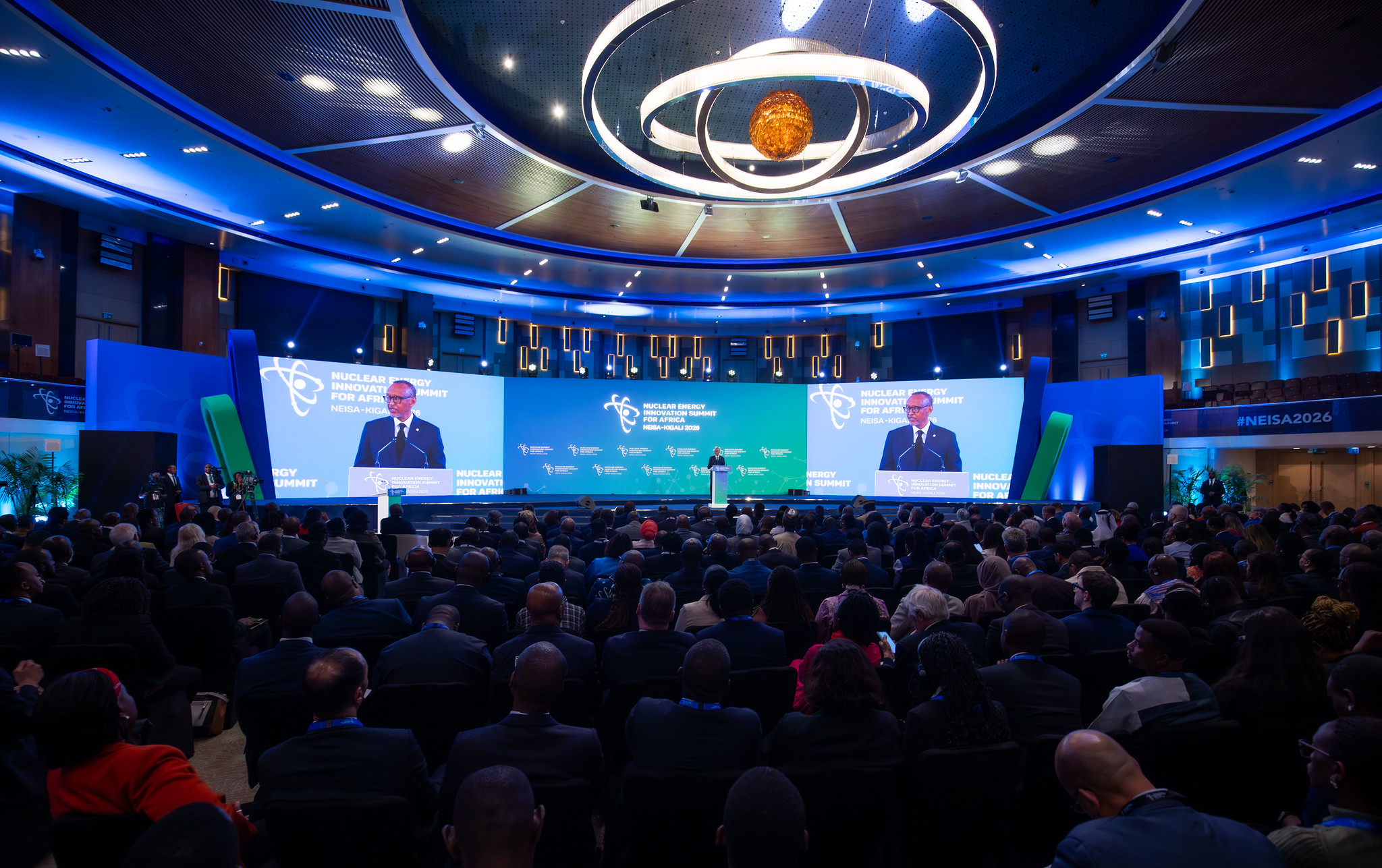
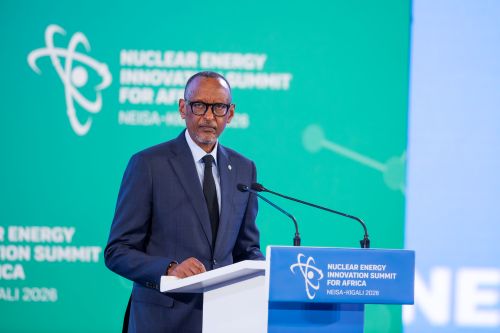
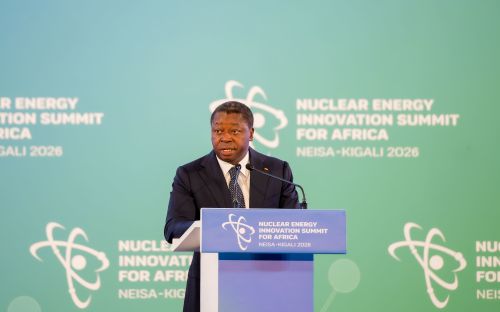
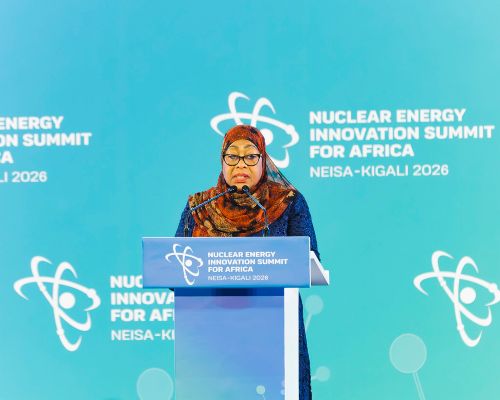
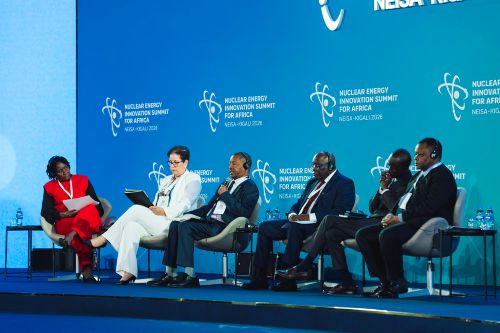
A set built on the subject. The stage design worked from the structure of the atom, with large-format screens carrying the educational content. The room signalled seriousness about the subject before anyone spoke.
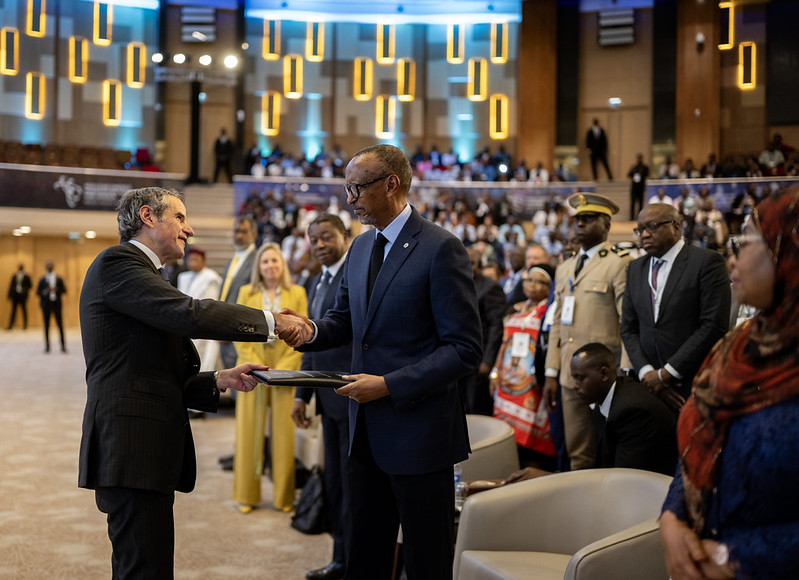
The IAEA Director General attended the first edition. For an inaugural summit, that was the signal that mattered — confirmation that the convening power sat with RAEB and that Rwanda could hold a conversation of this weight.
2026 — Moving from ambition to finance. The mandate changed. The World Bank had lifted its long-standing prohibition on financing nuclear projects, and the client's brief for the second edition was explicit: this one is about the money.
That is a materially harder room to fill. Advocacy events attract people who are interested. Finance events require people who allocate capital, and they arrive with a different standard of proof.
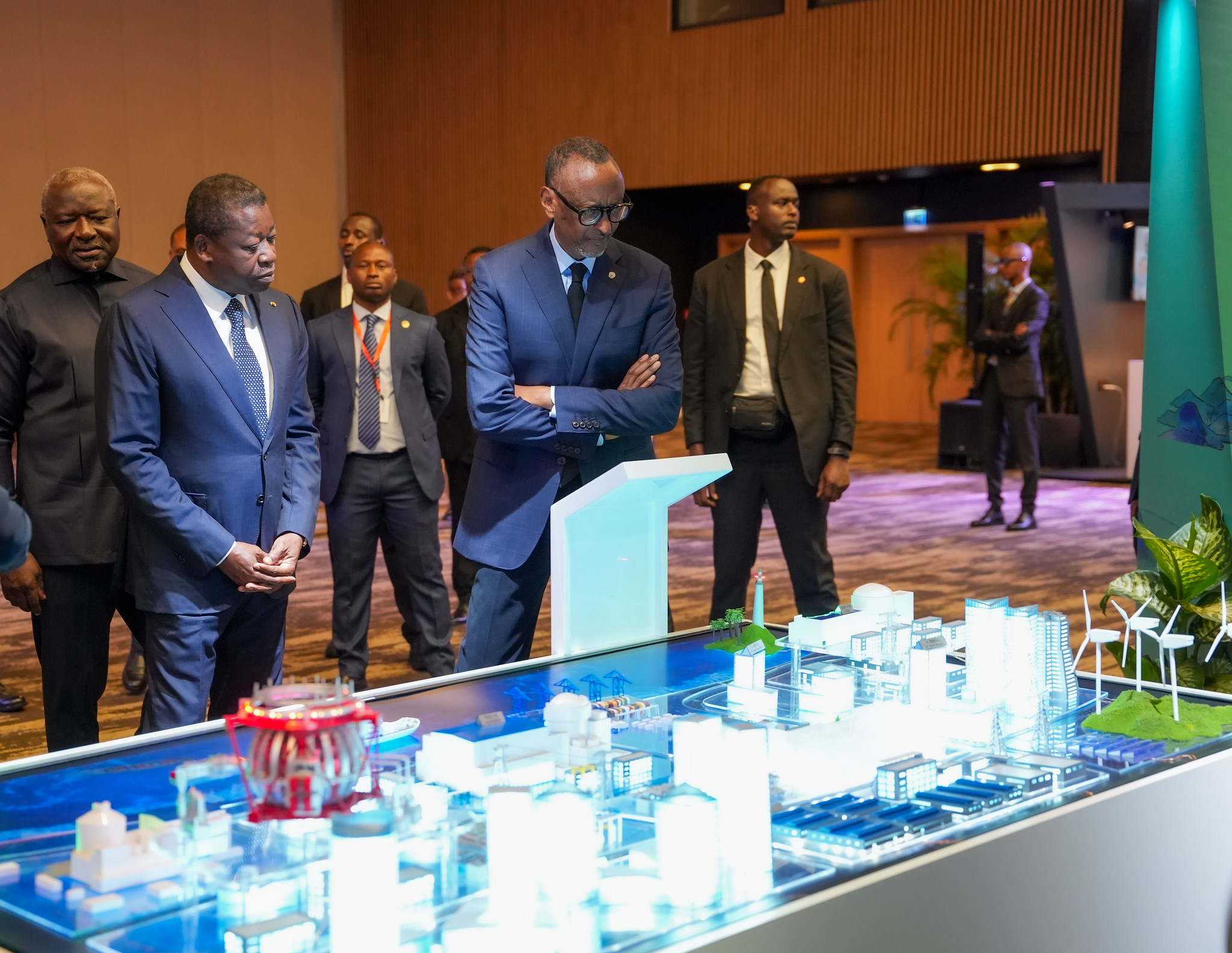
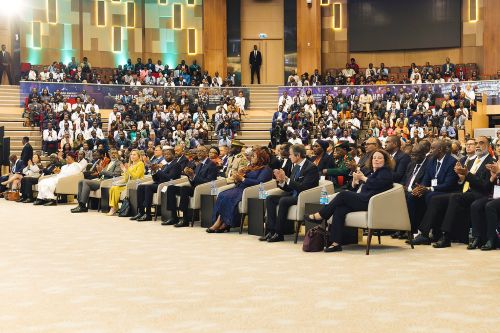
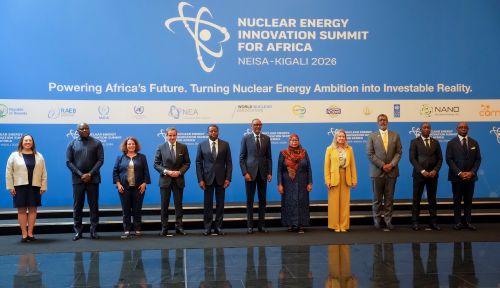
Cube rebuilt the programme around bankability rather than possibility, and reshaped the delegate strategy to bring in the institutions that finance infrastructure. The second edition convened 1,500+ delegates from 58 countries, including more than 600 government officials and over 25 financial institutions — alongside Heads of State, the IAEA Director General returning for a second year, development banks, regulators, technology vendors, central banks, institutional investors and youth networks.
The technology vendors came from across the field.
- China National Nuclear Corporation — China
- French Nuclear Industry Association (GIFEN) — France
- State Atomic Energy Corporation Rosatom — Russia
- South African Nuclear Energy Corporation SOC — South Africa
- Cambridge Atomworks — United Kingdom
- NANO Nuclear Energy Inc — USA
- Holtec International — USA
The result
Six cooperation agreements were signed in Kigali during the 2026 summit, converting summit dialogue into bilateral and institutional commitments.
Togo was confirmed as host of the 2027 edition — the third, and the first to be held outside Rwanda. A summit that began as a Rwandan initiative with five weeks' notice is now a continental platform with a rotating host and a secretariat.
That is the outcome worth stating plainly. Most events are delivered. Very few become institutions.
Client voice
“Despite the limited timeframe, the company discharged its responsibilities with a high level of professionalism, responsiveness, creativity, and attention to detail, thereby contributing significantly to the success, visibility, and overall impact of the Summit.
Rwanda Atomic Energy Board
Inside the room
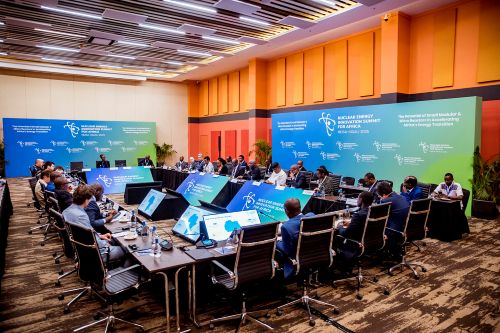
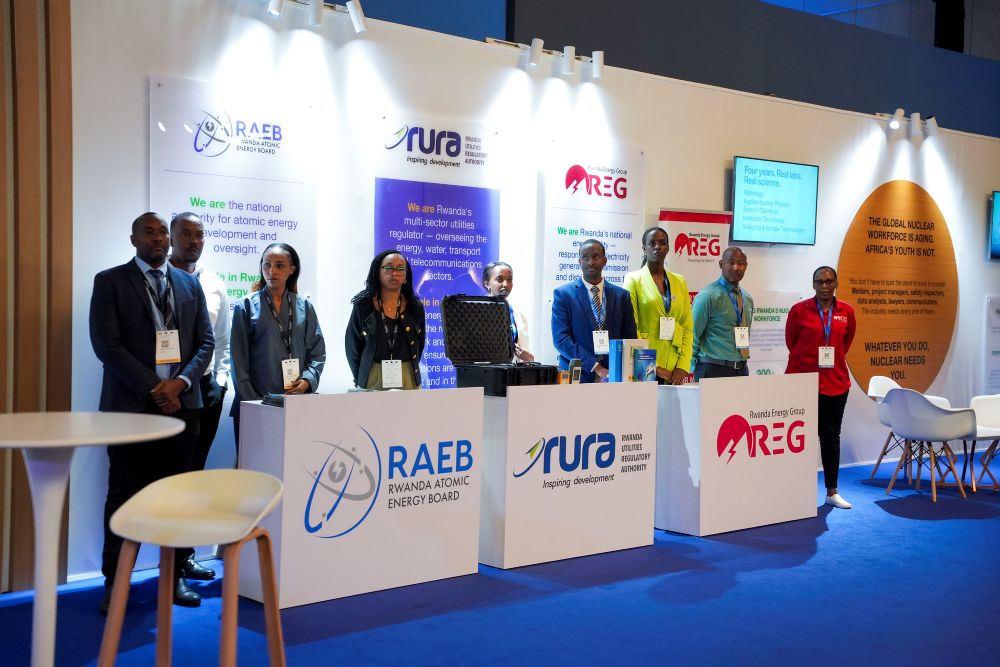
Moments from NEISA
Contact
Planning something at this level?
Tell us about your convening. Our team responds within one business day.
Start a conversation